

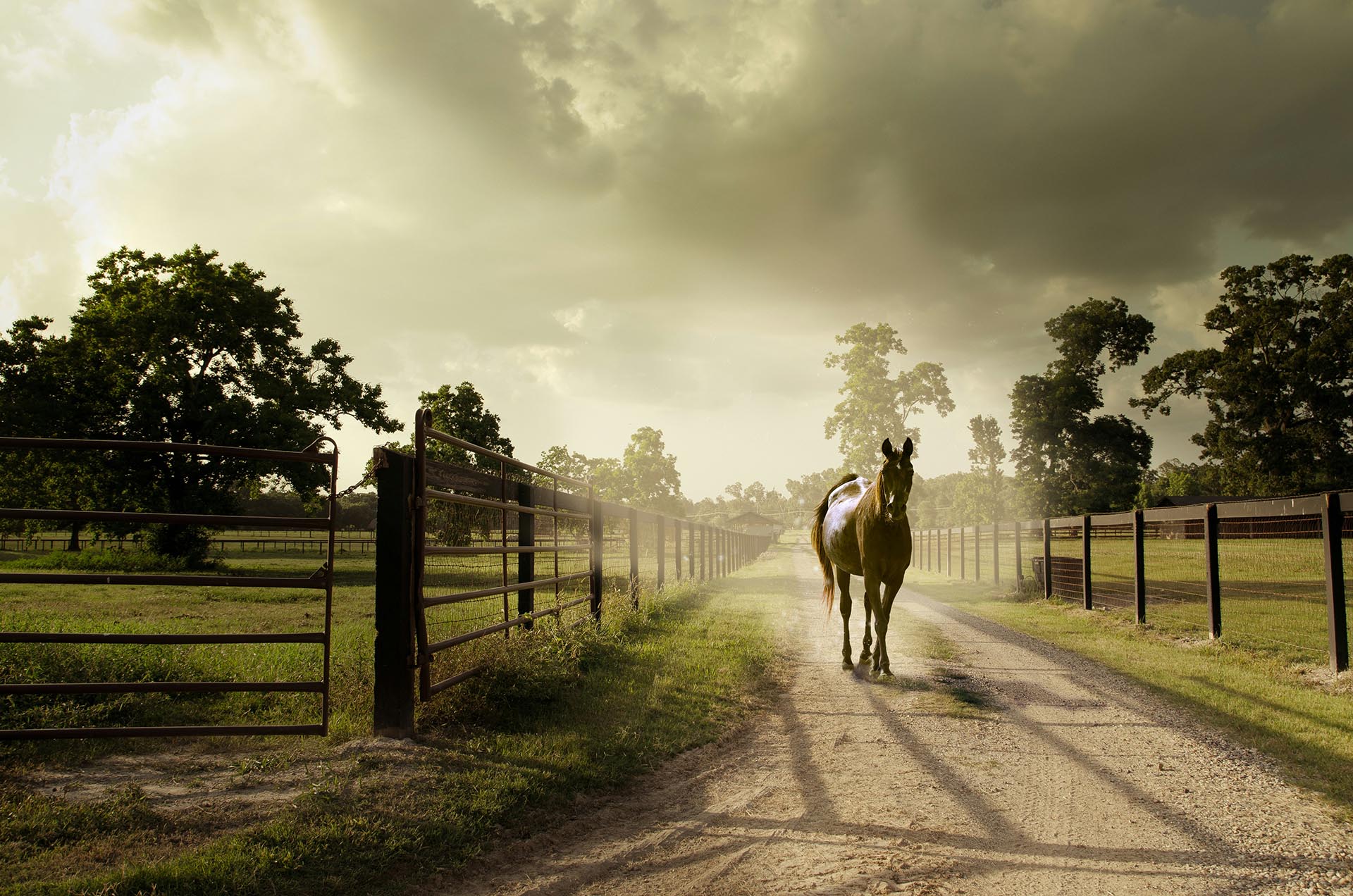
Connecticut Horse Properties
Where your horses
aren't an afterthought.
30+ years of equestrian experience. Deep knowledge of CT zoning, well capacity, barn quality, and pasture evaluation.
This is what Meagan, our horse properties expert, does.
Why It Matters
A horse property is not just a house with a barn.
Most real estate agents have never asked whether a well can supply 15 gallons a minute. They cannot read a topographic map for drainage, evaluate stall ventilation, or tell you if that gorgeous paddock turns to mud every spring. They will hand you a disclosure form and call it due diligence.
Meagan Scott has been around horses for over 30 years. She has owned, boarded, and managed horses on Connecticut farms. When she walks a property with you, she sees everything — the footing, the fencing, the drainage, the barn layout — the way an owner does, not just an agent.
Whether you are buying your first horse property or selling a farm you have spent years building, you need someone who speaks your language.
Your Specialist
What Meagan brings to every transaction.
30+ Years of Horse Experience
She evaluates footing, pastures, and barn layout the way an owner does — because she is one.
Equestrian Zoning & Acreage Expert
Ag exemptions, water rights, easements — she navigates what general agents miss every time.
Horse Community Network
Off-market farms and private listings not found on the MLS. Built over three decades.
Barn, Arena & Pasture Evaluation
Stalls, drainage, fencing, and storage assessed before you sign anything.
What to know before you buy
a horse property in Connecticut.
Every horse property purchase has layers that a standard home inspection will not cover. Here is what Meagan evaluates on every showing.
Zoning & Horse Permits
Connecticut municipalities vary widely. Some require 2 acres per horse; others have right-to-farm protections; some restrict horses entirely in certain zones. Meagan verifies what is actually permitted before you fall in love with a property.
Well Capacity & Water Supply
One horse drinks 10–15 gallons per day. Four horses in summer can strain a marginal well. Meagan insists on a well yield test and confirms that water lines actually reach the barn — not just the house.
Pasture Quality & Drainage
Standing water and poor drainage mean muddy paddocks, thrush, and hoof problems. Meagan evaluates soil, slope, drainage patterns, and whether the land can actually sustain the number of horses you plan to keep.
Barn & Stable Evaluation
Stall dimensions (12×12 minimum), ventilation, ceiling height, footing, water and electric access, fire safety — none of this appears on a standard home inspection checklist. It is Meagan's starting point.
Fencing Safety & Condition
Board, high-tensile wire, electric — each has tradeoffs. Meagan inspects perimeter integrity, gate widths (minimum 12 feet for equipment access), and whether the layout is actually safe for the horses you will be keeping.
Trailer Access & Logistics
A beautiful barn means nothing if you cannot get a 60-foot trailer in and turned around. Meagan checks driveway width, gate clearance, turnaround radius, and road grade — the details that only matter on move-in day.
Meagan also evaluates:
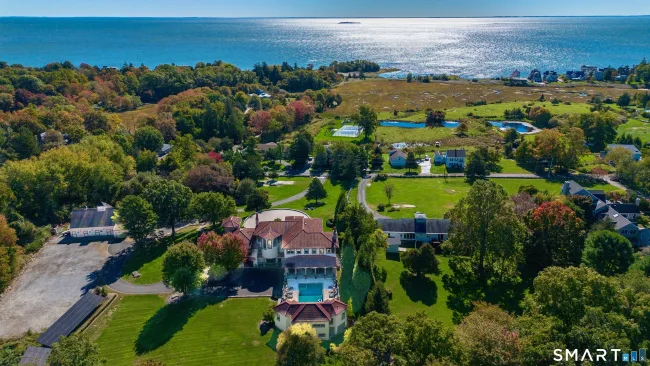
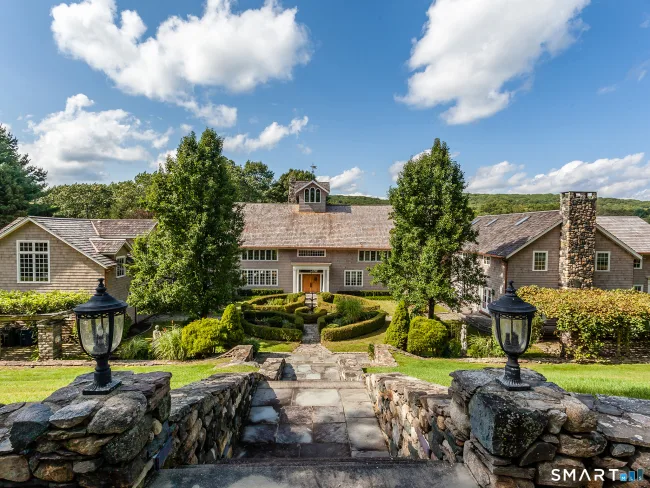
Active Horse Properties in Connecticut
View all →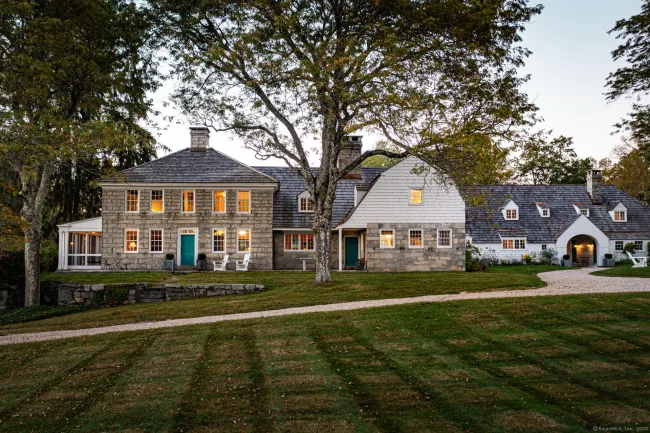

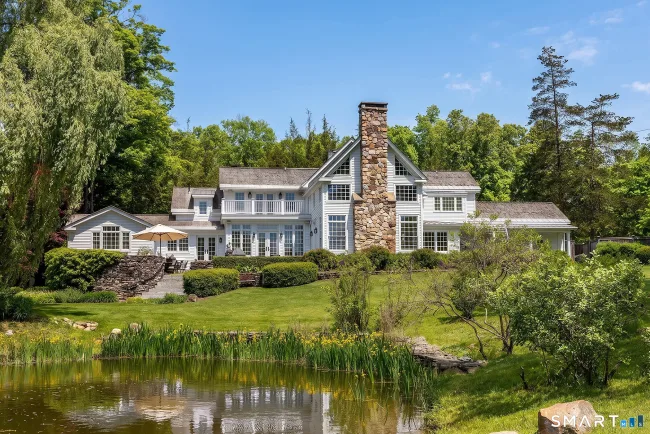
Your horse property deserves more than a general agent.
Most appraisers and agents do not know how to value a custom barn, a riding arena, or years of thoughtful pasture management. They fall back on price-per-square-foot and leave your best improvements on the table.
Meagan knows how to document, market, and price what you have built — and she knows exactly where to find the buyers who will pay for it.
Get a Property EvaluationAccurate Equine Improvement Valuation
A well-built 4-stall barn with water, electric, and a hayloft is not the same as an empty shell. Meagan documents every improvement so your listing price actually reflects what you have invested over the years.
Marketing to the Horse Community
Beyond MLS — Meagan markets your property through equestrian networks, breed associations, horse club contacts, and farm-focused platforms where qualified buyers are actually looking.
Buyer Education, Built In
Horse property buyers have specific technical concerns. Meagan handles the zoning, water, and barn questions so deals do not fall apart over details a general agent could not answer.
Agricultural Tax & Exemption Guidance
If your property carries an agricultural tax exemption, there may be conveyance tax implications or use restrictions that surface at closing. Meagan helps you understand and address these before they become problems.
Common Questions
Horse property questions, answered.
It depends on the town. Many Connecticut municipalities require a minimum of 1–2 acres per horse, but rules vary significantly. Some towns require a special permit for equine use; others allow horses by-right in agricultural zones. Meagan verifies the specific rules for every property before you make an offer — this is not something to discover after closing.
Well yield — measured in gallons per minute — is the critical number. A single horse drinks 10–15 gallons per day, and that demand increases significantly in summer heat or during hard work. For a property with multiple horses, you need a well that can sustain consistent household and barn demand simultaneously. Meagan recommends a formal well yield test on every horse property and confirms that water lines actually reach the barn.
Yes — but only if it is marketed correctly. Standard appraisers often undervalue equestrian improvements because they lack relevant comparable sales. A well-built barn can represent a significant investment that gets reduced to a footnote in a generic appraisal. Meagan documents every improvement in detail and positions the property to buyers who understand what they are actually getting.
Photos will not tell you. Meagan checks soil drainage, footing firmness, slope, fencing type and condition, and whether toxic plants — such as buttercup, yew, or black cherry — are present on the property. A lush-looking field can hide serious problems that become apparent only after horses move in.
Connecticut allows qualifying equestrian and farm properties to receive reduced property tax assessments under agricultural use designations. At the time of sale, there can be conveyance tax implications or use restrictions that come up in the transaction. Meagan helps sellers understand these issues before listing and work through them proactively rather than at the closing table.
Yes — and some of the best opportunities never go public. Meagan has built genuine relationships throughout Connecticut's horse community over 30 years. Private farm sales, estate transitions, and off-market opportunities come through that network before they ever reach a listing platform.
Size matters (60×120 feet minimum for basic flat work; 80×200 for a full dressage court), but footing quality is equally important. A properly installed sand-fiber mix with adequate drainage is the gold standard. Lighting, indoor vs. outdoor, and construction quality all factor in. Meagan can tell you exactly how an arena stacks up for Connecticut buyers and how to price and present it.
Horse properties typically take longer than standard homes because the buyer pool is naturally smaller. However, when marketed correctly — through the right channels, with thorough documentation and professional photography — they often sell at strong prices. Meagan's approach is to reach the right buyers efficiently, not to sit on the general market and wait.
Barkhamsted, Granby, Goshen, Litchfield, Morris, Washington, and Woodstock are among the most horse-friendly towns with larger lot sizes, favorable zoning, and established equestrian communities. Southbury, Bethlehem, and Harwinton also have active horse communities. Meagan knows the specific zoning codes and character of each area and can help you find the right fit for your situation.
Talk to Meagan
Ready to find your
horse property?
Buying, selling, or just figuring out what is possible — Meagan is the right first call. No pressure. Just real knowledge and honest guidance from someone who has lived it.