

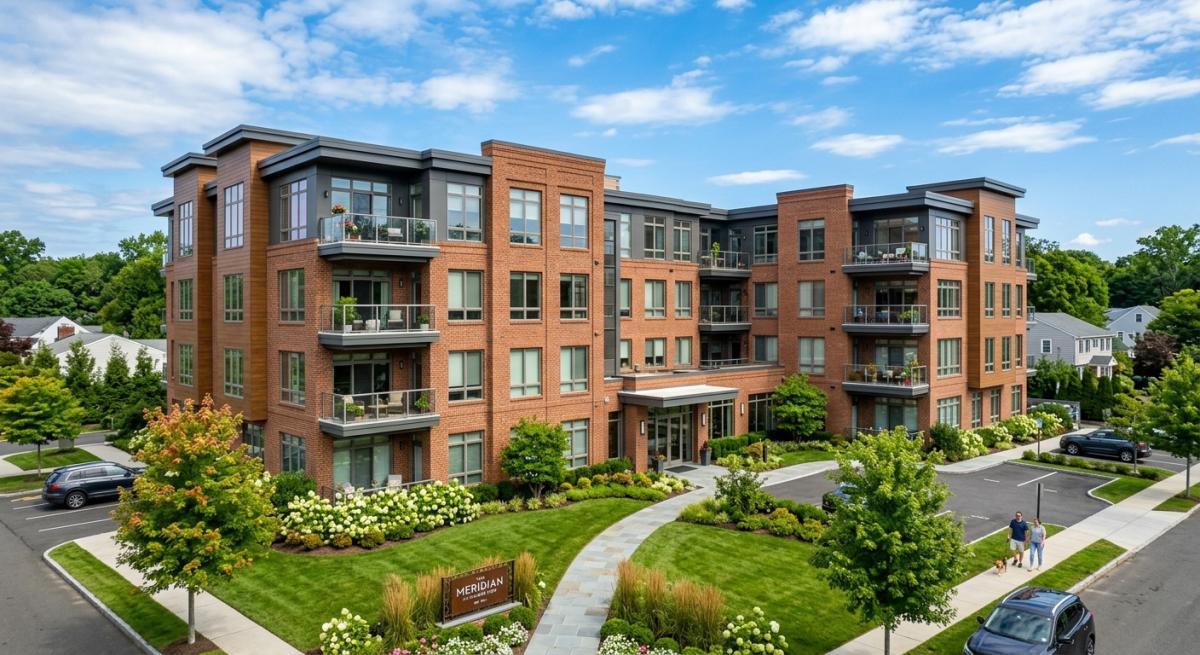
The Purchase Is Not Just About the Unit
When you buy a single-family home in Connecticut, you're buying a piece of property and everything on it. When you buy a condo, you're buying a unit and a fractional interest in common elements - the hallways, the roof, the parking lot, the mechanicals that serve the building. You're also buying into a homeowners association that runs those common elements.
That HOA is the part most first-time condo buyers underestimate. It has a budget, a board, rules you'll be required to follow, and - in older condo associations or ones that haven't been managing their finances carefully - potential financial problems that become your financial problems the moment you close.
The condo itself might be perfect. The building's reserve fund might be empty. That's the gap between what you see during a showing and what you need to understand before you commit to the purchase.
HOA Fees: What They Cover and What They Don't
Every condo in Connecticut has monthly HOA fees. What those fees cover varies dramatically by association. Some associations cover heat, water, trash, exterior maintenance, and building insurance. Others cover only exterior maintenance and common area utilities. You need to know exactly what's included before you calculate your true monthly cost.
The monthly fee isn't the whole story. Many Connecticut condo associations have faced deferred maintenance issues - roofing, exterior painting, parking lot resurfacing, elevator replacement in larger buildings - and when the reserves weren't sufficient to cover those projects, the cost went to unit owners as a special assessment. Special assessments can run into thousands or tens of thousands of dollars per unit, sometimes with short payment windows.
Ask for the condo association's financials before you make an offer. You want the current budget, the reserve fund balance, and any pending or recently approved special assessments. Your attorney will review these documents as part of the purchase process in Connecticut, but getting them early lets you make an informed offer, not just an informed post-offer decision.
The Reserve Study: The Number That Tells You Everything
A reserve study is a professional assessment of the long-term capital needs of a condo association - when the roof will need replacement, when the parking lot will need work, when the common area HVAC will fail - and whether the current reserve fund is adequate to cover those costs.
Many Connecticut condo associations don't have a current reserve study. Some have one from five years ago. A few are fully funded with current studies. The difference in financial risk between a fully funded reserve and a poorly funded one is not theoretical - it shows up as either stability or surprise special assessments.
The FHA and Fannie Mae condo approval process actually looks at reserve fund adequacy as part of determining whether a condo project is eligible for financing. An association with inadequate reserves may not be approved for FHA lending, which affects your resale market when you go to sell.
Rules, Restrictions, and What You Can and Can't Do
Condo associations in Connecticut operate under a set of governing documents: the master deed, the declaration, the bylaws, and the rules and regulations. These documents govern what you can and can't do with your unit - renting it out, parking a commercial vehicle, having pets, making interior alterations, using the deck, conducting a home business.
Rental restrictions are increasingly common in Connecticut condo associations and increasingly important to understand before you buy. Some associations prohibit all short-term rentals (Airbnb, VRBO). Some cap the total percentage of units that can be rented long-term at any given time. If the cap is already met when you buy, you may not be able to rent your unit even if you intended to. If you're buying as an investment with plans to rent, check the rental policy explicitly before you commit.
Pet restrictions vary widely. Weight limits, breed restrictions, limits on the number of animals - all of these are common in CT condo associations and can present problems for buyers whose current animals wouldn't qualify under the association's rules.
Read the governing documents before closing. Your attorney will flag significant issues, but they're not going to read every parking rule and balcony restriction for you.
The Financing Difference
Getting a mortgage on a condo is not exactly like getting a mortgage on a single-family home. Lenders - and FHA in particular - evaluate the condo project itself, not just your creditworthiness as a borrower.
For FHA financing, the condo complex must be on HUD's approved condo project list or go through a spot approval process. Many Connecticut condo associations are not on the FHA approved list, which means FHA buyers can't purchase there - and when you go to sell, FHA buyers are excluded from your buyer pool.
For conventional financing, Fannie Mae and Freddie Mac have their own condo project requirements around commercial space, investor concentration, HOA delinquency rates, and reserve fund adequacy. A condo project that doesn't meet these requirements may only be financeable at higher interest rates through portfolio lenders.
Before you fall in love with a specific condo in Connecticut, confirm it's warrantable - meaning it meets the standard requirements for conventional financing. Your lender can tell you quickly whether the project is approved. If it's not, understand that you may face a smaller buyer pool when you sell and potentially higher rates when you buy.
Frequently Asked Questions
What are typical HOA fees for condos in Connecticut?
HOA fees in Connecticut condos vary widely by complex, location, and what the fee covers. Small townhouse-style complexes might charge $200-$400 per month. Larger buildings with amenities, elevators, or heated common areas often run $400-$700 or more. High-rise buildings in cities like Stamford or New Haven can be higher still. Always calculate your true monthly cost as mortgage plus HOA fee plus taxes — not just mortgage.
Can I rent out my Connecticut condo?
It depends on the association's governing documents. Some CT condo associations allow unrestricted renting, some cap the percentage of units that can be rented at any time, some require owner-occupancy for a period before renting, and some prohibit short-term rental platforms like Airbnb regardless of other rental permissions. Review the rental policy specifically and confirm the current rental cap status before purchasing with investment intent.
What is a condo special assessment in Connecticut?
A special assessment is a one-time charge to unit owners for a capital expense that the reserve fund can't cover — a new roof, major structural repair, parking lot resurfacement, etc. Special assessments can range from a few hundred dollars per unit to tens of thousands depending on the project. You're responsible for any special assessment on your unit from the moment you close, and any assessment in progress at the time of purchase should be disclosed and negotiated as part of your offer.
What should I look for in CT condo association financials?
Four key indicators: (1) Reserve fund balance as a percentage of the funded amount recommended by the reserve study — below 50% funded is a concern. (2) HOA delinquency rate — associations where more than 15% of units are delinquent on fees may not qualify for conventional financing. (3) Any pending or recently approved special assessments. (4) Whether the operating budget is balanced or whether the association is running deficits. Your real estate attorney should review these documents and flag issues before closing.