

The Spring Trap
Spring is the best time to sell. That's what everyone says, and it's not wrong - March through June is when CT buyer activity peaks, when the most showings happen, and when bidding wars are most likely. That part is true.
Here's the part nobody says: spring is also when your competition is highest. Every seller in Connecticut who's been thinking about listing since November hits the market in April. You're not the only one with curb appeal and a freshly power-washed driveway. You're one of twenty homes in your town that just went active in the same two-week window.
I see it every year. Sellers who waited all winter for the spring market, then listed into a wave of competing inventory and watched their house sit longer than if they'd listed in February. The spring market is real. The spring advantage is more complicated.
Waiting for the best season to sell is the same logic as waiting for rates to drop before buying. People who decide to wait five years ago are still waiting. The right time to sell is when you're ready - and when the property is priced correctly, the season matters less than sellers think.
What Winter Actually Looks Like for CT Sellers
January and February are the quietest months in CT real estate. Buyer activity is lower. Showings are fewer. But the buyers who are looking in January are serious. They're not browsing. They don't want to move in winter for no reason. They have a timeline - a lease ending, a relocation, a life event - and they're actively looking to solve it.
What you get in a winter listing: less competition from other sellers, more committed buyers, and a buyer pool that doesn't include people who are casually seeing what's out there. Your home isn't competing with 20 others in the same price range. It's competing with 4.
The counterargument is real too. Fewer buyers means smaller buyer pool means potentially fewer offers. In the $300K to $500K range in Central CT, even in winter that pool is large enough that a well-priced home will move. At higher price points, reduced winter activity matters more.
Curb appeal in January is also a harder case to make - no leaves on the trees, lawn dormant, everything gray. If your home's exterior is a major selling point, early March might serve you better than January 15. If the interior is the draw, that doesn't apply.
Summer: Fast Start, Then It Slows
Early summer - June and early July - still carries momentum from the spring market. School-year-driven buyers who didn't find something in the spring are under real time pressure to close before September. That urgency is in your favor if you're listing in June.
Late July through August is a different story. Families are on vacation. Decision-making slows. The urgency evaporates. A home that doesn't sell in June or early July can sit through August in a way that would have been unthinkable three months earlier - and a home that sits starts to look like there's something wrong with it, regardless of condition or price.
I would say late summer is the worst time to list a home that needs any significant amount of buyer enthusiasm to sell. If the home is priced aggressively and you just need a transaction, August is fine. If the home needs buyers to feel excited and competitive, wait for September.
Fall: The Underrated Window
September through mid-November is an underused window in Connecticut. The buyers who didn't find something in the spring and summer are still looking - and now they're frustrated, which makes them motivated. Inventory is starting to thin out as sellers who didn't move in the spring take their homes off the market and wait for next year. You have fewer competitors, more motivated buyers, and weather that still cooperates for showings and inspections.
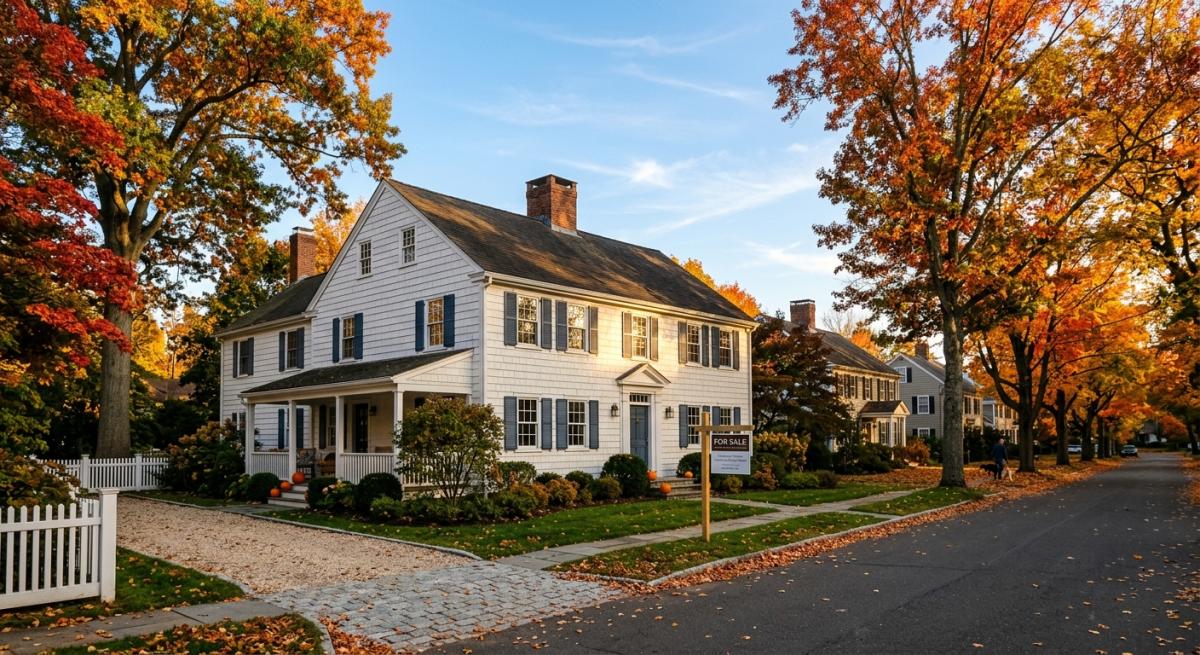
Fall foliage in Connecticut is also a genuine selling asset. A colonial on a tree-lined street in October photographs better than at almost any other time of year. That matters in an era when 95% of buyer decisions start with an online photo.
The deadline is typically mid-November. After that, closing before the holidays gets tight, and buyers who want to be settled by Christmas start their timelines in early fall. If you're targeting a fall listing, September is better than October, and October is better than November 15.
The One Thing That Matters More Than Any Season
Here's what I actually see drive results: the first two weeks on the market. That's when your listing gets the most views, the most showings, and the most serious buyer attention - regardless of what month it is. After that first window, traffic drops and buyers start wondering why it's still available.
What that means for timing: pick the season that works for you, then make sure the home is completely ready the day it goes live. Not almost ready. Not will be ready by the weekend. Ready on day one.
We run a coming soon strategy for most of our listings - 7 to 14 days before the listing goes active, the marketing is running, the photos are out, buyers are scheduling. By the time the listing goes live, we already have people lined up. That first weekend becomes a real event rather than a quiet debut. That works in any season.
So, so - the honest answer on timing is: list when the house is ready and priced correctly, in a season that isn't August. Everything else is secondary.
Frequently Asked Questions
What is the best month to sell a house in Connecticut?
April and May consistently produce the most buyer activity and the best conditions for bidding wars in CT. March is a close second as spring buyers who've been waiting all winter start moving. For sellers who want strong competition but less inventory competition, late September through October is an often-overlooked second window. The worst months for most sellers are late July through August and December through January.
Does it make sense to list a CT home in winter?
Yes, in many cases. Winter buyers are serious - they have a specific reason to be looking in January or February and aren't window shopping. Competing inventory is lower, which means your home gets more relative attention. In the $300K to $500K range in Central CT, motivated buyers exist year-round. Winter listings do require extra attention to presentation since curb appeal is harder to achieve, but well-priced winter listings often move faster than sellers expect.
Should I wait until spring to list my Connecticut home?
Maybe - but understand what you're waiting for. Spring means more buyers, but it also means more sellers. If your home is ready now and priced correctly, listing before the spring wave in February or early March can put you in front of motivated buyers before the market gets crowded. If you're waiting because the house needs work, that's a valid reason to wait. If you're waiting just because 'spring is better,' you may be giving up months of market time for a smaller advantage than you think.
How does the school year affect Connecticut home sales?
Significantly. Families with school-age children want to close and settle before the new school year starts in early September. That urgency drives a lot of the spring and early summer market - buyers are on a deadline. After school starts in September, the urgency from family buyers softens, but it's replaced by buyers who didn't find what they needed in the spring. For sellers, this means both the spring market and the early fall market have motivated buyers, just for different reasons.