

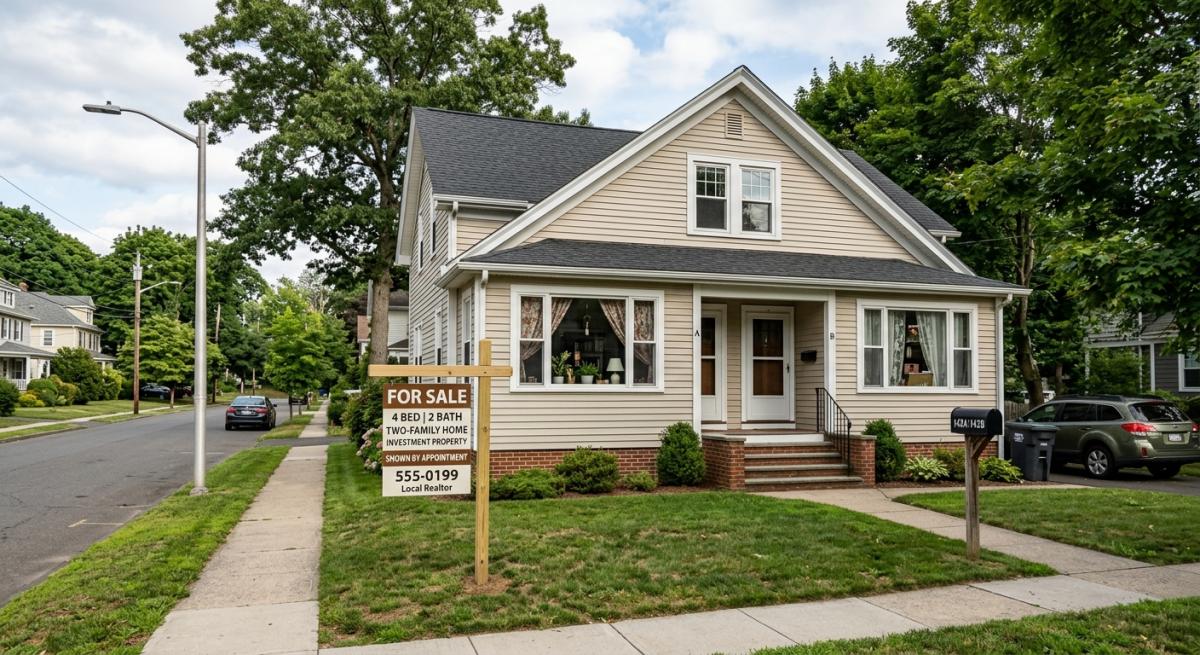
The Tenant Is Part of the Deal
You own a Connecticut rental property and you've decided to sell. The tenant doesn't know yet. You haven't figured out the timing. That gap - between your decision and your tenant's awareness - is where most landlords make their first mistake.
Connecticut has strong tenant protections. When you sell a property with a tenant in it, the lease transfers to the new owner. The tenant does not have to leave just because the building sold. The new owner is bound by the terms of the existing lease until it expires.
That's not a problem if the buyer is an investor who wants the rental income and plans to keep the tenant. It is a problem if the buyer wants to live in the property, renovate it, or flip it. Understanding who your buyer is going to be shapes every decision about how and when you list.
What Connecticut Law Actually Requires
Under Connecticut law, you must give tenants advance written notice before showing a property - typically at least 24 hours notice is required for entry. During a sale, this applies to every showing. Every single one. If your tenant is difficult about access or uncooperative with showing schedules, that directly affects how many buyers see the property and how quickly it sells.
For month-to-month tenants, you can give notice to vacate - but Connecticut requires proper written notice, and the process takes time. Depending on the lease terms and local rules, a month-to-month tenant can require 3 months' notice or more to vacate. You cannot speed that up by offering to skip rent or by pressuring the tenant verbally. The process is the process.
For tenants with a fixed-term lease, the lease must run its course before you can require them to leave - unless there's a specific lease break clause or the buyer is willing to honor the lease. A tenant with a fixed-term lease has the right to stay through the lease end date regardless of who owns the building.
Occupied vs. Vacant: The Price Reality
Vacant properties sell to a wider buyer pool at higher prices. That's the honest truth. Owner-occupant buyers - the largest segment of the market - can't buy a home with a tenant in it and move in immediately. If your property is occupied, you're largely selling to investors.
Investor buyers price differently than owner-occupant buyers. They underwrite based on the income the property generates, the cap rate relative to price, and what the renovation cost looks like if they want to reposition the unit. They're not paying market-rate comparable prices for a rental property in a suburb where most comparable sales are owner-occupant purchases. The discount for selling occupied - to a strictly investor pool - can be meaningful.
The math changes depending on the property type. A single-family home in Glastonbury occupied by a tenant will see a significant discount versus the same home vacant, because most Glastonbury buyers want to live in the house. A multi-family property in New Britain occupied by long-term tenants at market rents is a different story - those buyers expect tenants in place, and good tenants add value.
Before you decide how to handle the tenant situation, run both scenarios with your agent. What does a vacant sale look like? What does an occupied sale look like? The difference sometimes justifies offering the tenant a cash-for-keys incentive to leave early. Sometimes the math doesn't support it and selling occupied is the cleaner path.
The Cash-for-Keys Option
Cash for keys is exactly what it sounds like: you offer the tenant money to vacate the property voluntarily before the lease would normally end. They get cash, you get possession, the deal happens faster and to a wider buyer pool.
This is legal in Connecticut, as long as it's genuinely voluntary - you're not pressuring or threatening the tenant, just making an offer. Most tenants who are offered a fair amount - covering moving costs and a bit more - will accept if the offer is reasonable and the request is respectful. Most who are pressured or offered insultingly low amounts will refuse, and you'll have a hostile showing experience on your hands for however long the listing runs.
The right amount depends on the tenant's situation, how long they've been there, and how long their lease runs. There's no formula. Think about what it actually costs someone to move on short notice - first month, last month, security deposit somewhere new, movers, time off work. An offer that covers those real costs plus a reasonable premium is the one that gets accepted.
Get any cash-for-keys agreement in writing, signed by both parties, with a clear vacate date. An attorney should review it. This is not a handshake deal.
How to Manage the Listing With a Tenant in Place
If you're going to list occupied, work with your tenant from the start - not against them. Explain what's happening. Give them as much advance notice of showings as you can, even if the legal minimum is 24 hours. Make it easy for them to cooperate. A tenant who feels respected will generally cooperate with reasonable showing schedules. A tenant who feels blindsided or disrespected can make your listing experience very difficult within the law.
Setting up a showing schedule in advance - for example, Tuesday evenings and Saturday mornings - reduces the friction of individual notice requirements and lets the tenant plan around showings rather than feeling constantly interrupted.
Staged photos while the unit is occupied are harder to get right. If the tenant's furniture is serviceable, work with it. If it's going to hurt the listing, have a frank conversation about removing some items for the photo shoot. You're more likely to get cooperation if you've been a fair landlord throughout the relationship.
Target your marketing toward investor buyers directly - highlight the current rent, the tenant payment history if you have documentation, and the income profile of the property. Buyers who want a tenant-occupied investment property aren't deterred by occupancy. They're looking for it.
Frequently Asked Questions
Can I sell my Connecticut rental property while a tenant is living there?
Yes. Selling a property with a tenant in place is legal in Connecticut. The tenant's lease transfers to the new owner, who is bound by its terms. The tenant cannot be required to leave simply because the property sold - they have the right to stay through their lease end date. The exception is if the lease has a specific sale termination clause, which most residential leases don't.
How much notice do I have to give a CT tenant before showings?
Connecticut law requires landlords to provide reasonable advance notice before entering a rental unit, with 24 hours generally accepted as the minimum for non-emergency entry including showings. Some leases specify a longer notice period. You must comply with whichever is longer - the statutory minimum or what your lease requires. This applies to every single showing during the listing period.
What happens if a buyer wants to move into a Connecticut property I'm selling but a tenant is still there?
If the tenant has a fixed-term lease, the buyer takes the property subject to that lease - meaning the tenant stays through the lease end date regardless of who owns the building. If the tenant is month-to-month, the new owner can provide proper notice to vacate under CT law, but that process takes time. Buyers who want immediate occupancy typically can't purchase occupied properties unless the lease is near expiration or a cash-for-keys agreement is in place before closing.
Is cash for keys legal in Connecticut?
Yes, as long as it's genuinely voluntary. You may offer a tenant money to vacate a property before their lease ends. The tenant can accept or decline - they cannot be forced or pressured. Any agreement should be in writing, signed by both parties, and reviewed by an attorney. A written cash-for-keys agreement should include the amount being paid, the vacate date, and confirmation that the tenant relinquishes any remaining lease rights upon receiving payment.
Do CT tenants have the right to buy the property before I sell it to someone else?
Connecticut does not have a statewide law giving residential tenants a right of first refusal to purchase the property they live in. Some tenant's leases may include such a clause - check your lease. Certain municipalities may have local ordinances that apply to specific property types. For most residential rental properties in CT, there is no statutory right of first refusal, but confirm with an attorney for your specific situation.