

A Hundred Regular People Just Told Hartford How to Fix Your Tax Bill
Late October 2026, a group called the Connecticut Citizens' Assembly on Property Taxes released its final report. Not a think tank. Not a legislative committee. About 100 people, selected through random invitation, who spent months working through one of the most hated line items in Connecticut homeownership - the property tax bill.
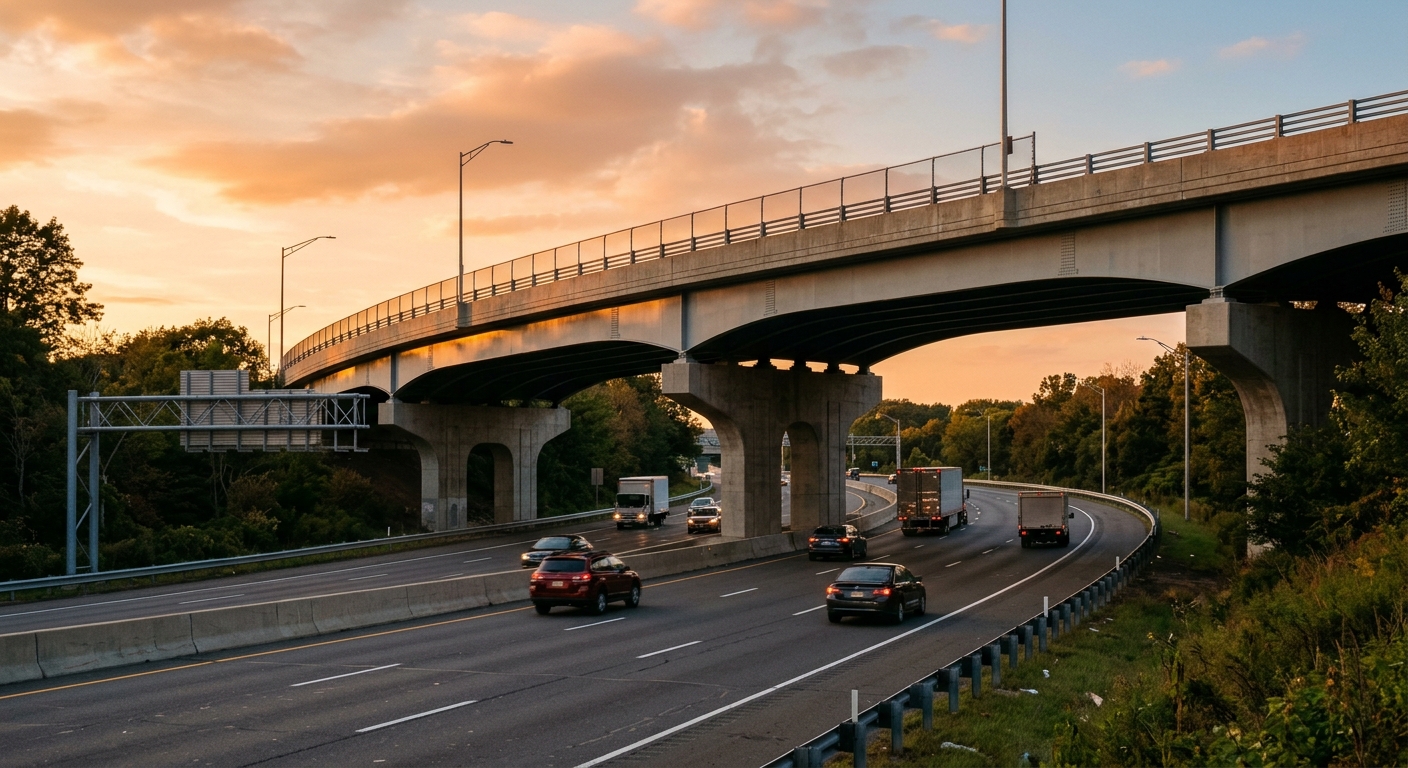
Their top recommendations: bring back tolls on interstate highways, add a new income tax surcharge on earnings above $1 million, and repeal the municipal car tax. All three, aimed at one goal - funding relief for local property taxes.
Here's the part I want to be straight with you about. None of this is law. Not close to it. But I would say it's worth paying attention to, because it tells you where this conversation is headed. That matters if you're buying in Southington, selling in Berlin, or just sitting in a high-mill-rate town wondering if relief is ever coming.
What's Actually in the Plan
Let me put it this way - this isn't one idea, it's three working together. Basically, the group is saying: raise money somewhere else, so towns don't need to lean so hard on property taxes.
- Interstate highway tolls - a funding source that doesn't exist in CT right now, aimed at drivers rather than homeowners
- A new income tax surcharge on earnings above $1 million - targeted at the highest earners in the state, not middle-income homeowners
- Repeal of the municipal motor vehicle property tax - the car tax bill that shows up alongside your real estate tax bill every year
Each of the group's 10 recommendations won support from at least two-thirds of the roughly 100 members. That's not a simple majority scraping by - that's real consensus among people who came in with different politics, different towns, different stakes in this.
Why a Citizen Panel Did This Instead of the Legislature
This is the part that surprised me most, honestly. State Comptroller Sean Scanlon - the guy who helped set this assembly in motion - asked the group to hold off and release the report after the November 3rd election. They said no, and released it anyway.
That's a deliberate move. The timing wasn't an accident. The report dropped specifically to put pressure on the candidates in the governor's race, including Governor Ned Lamont and Republican nominee Ryan Fazio, to actually say where they stand on property tax reform before people vote.
That's for sure a different approach than waiting quietly for a legislative committee to take it up next session. The group wanted this in front of voters while candidates still had to answer for it, not after the election when it's easier to stay vague.
So, whatever you think about the specific ideas, the strategy itself is the story here. A group of regular citizens worked independently of elected officials for months and then forced the issue into an election cycle on purpose. That's the real headline.
Why Your July 2027 Tax Bill Isn't Changing
I'll be blunt about this because I don't want anyone reading this and thinking their bill is about to drop. It's not. Not yet, not from this.
These are recommendations. The Connecticut General Assembly would have to take this up, debate it, amend it, vote on it - and that process doesn't even start until the regular session opens in January 2027. Tolls, a new income tax bracket, repealing an entire category of municipal tax revenue - these are massive legislative lifts. None of it happens fast, and none of it is guaranteed to happen at all.
I'm not going to predict what the legislature actually passes. Nobody can honestly do that right now, and I'd be doing you a disservice pretending otherwise. What I can tell you is this report exists, it has real momentum behind it, and it's going to be part of the conversation in Hartford starting this winter.
What This Actually Means If You're Buying or Selling in CT Right Now
Here's where I bring this back to real decisions, because that's what you actually care about. We've written before about Southington's mill rate and what towns are doing with existing exemptions - this report is different. This is about where the entire funding structure might shift, not what you can do under current law.
If you're sitting in a town like Hamden, East Hartford, or West Hartford - towns carrying some of the highest effective tax burdens in the state - this report doesn't change your math today. It might change it in a few years if any piece of it becomes law. But it isn't law now, and I'm not going to tell a buyer to factor in a tax cut that hasn't cleared a single legislative vote. Price the house based on today's mill rate. If relief comes later, treat it as a bonus, not a plan.
Frequently Asked Questions
Does the Citizens' Assembly report change my property tax bill right now?
No. None of the recommendations are law. They would need to go through the Connecticut General Assembly starting in its January 2027 session, and nothing in the report takes effect on its own.
Who actually wrote this property tax plan?
About 100 Connecticut residents, selected through random invitation to serve on the Citizens' Assembly on Property Taxes, working independently of elected officials. Each of their 10 recommendations earned support from at least two-thirds of the group.
Why did the group release the report right before the governor's race instead of waiting?
State Comptroller Sean Scanlon asked them to wait until after the November 3rd election, but the group declined. The timing was meant to pressure candidates, including Governor Ned Lamont and Republican nominee Ryan Fazio, to take public positions on property tax reform before voters went to the polls.
Would repealing the car tax actually lower my property tax bill?
The idea is to replace that lost municipal revenue with new state-level funding - tolls and a surcharge on income above $1 million - so towns rely less on property taxes overall. Whether that plays out depends entirely on what the legislature passes, if anything.
Should I wait to buy or sell a house in Connecticut because of this?
No. This is a recommendation, not law, and there's no timeline guaranteeing it passes in any form. Make your decision based on current mill rates and market conditions in towns like Southington, Berlin, or Newington, not on a policy proposal still months from even reaching a legislative vote.