

The math that's making people furious right now
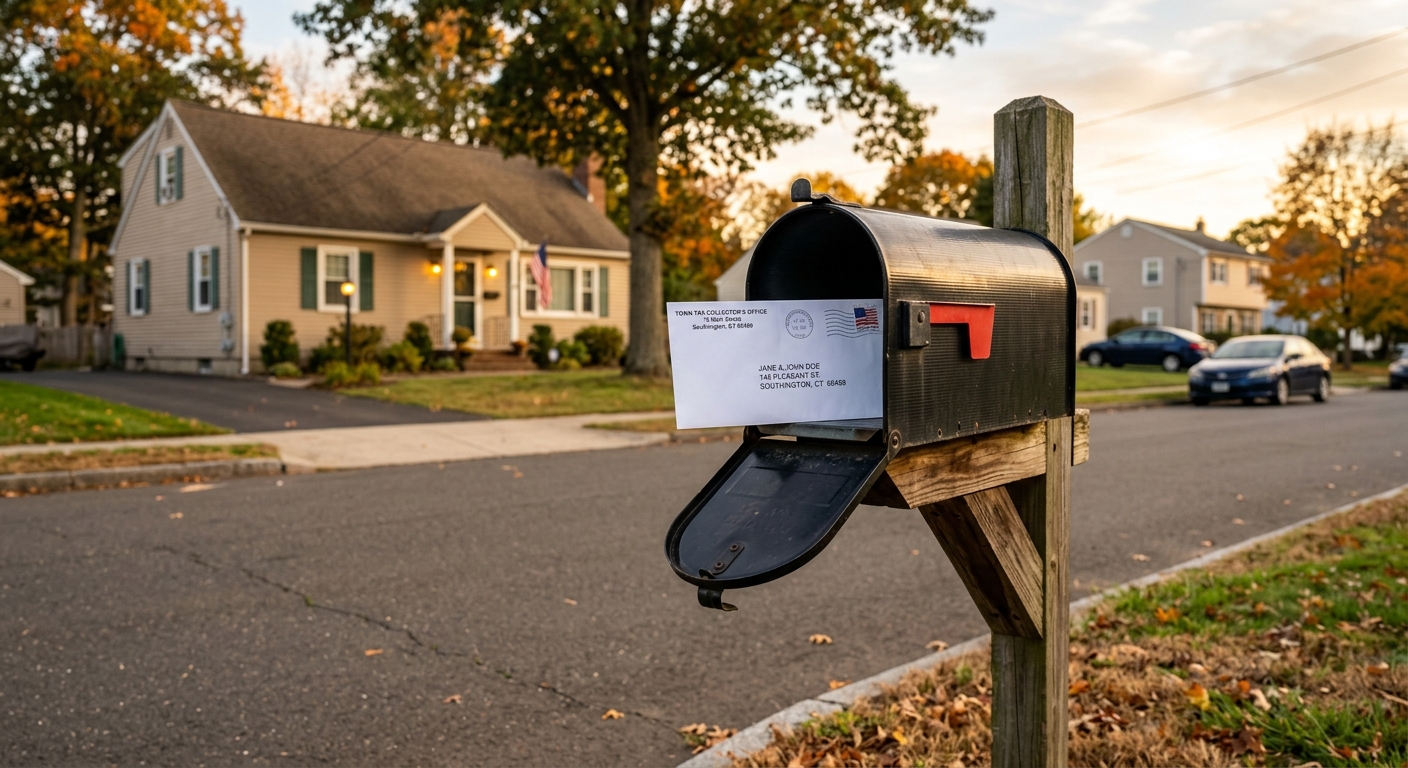
I've had three Southington homeowners bring this up to me in the last two weeks, unprompted. They open the July bill, see the new mill rate - 23.29, down from 33.21 - and figure they just got a win. Then they look at the actual dollar amount owed and it's higher than last year. Not lower. Higher.
I get why that feels like a bait and switch. A 30% drop in the mill rate sounds like a 30% drop in your tax bill. It's not. It was never going to be, and here's the part nobody explained clearly enough before the bills landed.
The mill rate is only half the equation. Your tax bill is assessed value multiplied by the mill rate. If the town's assessed values went up town-wide by roughly the same amount the mill rate went down, bills stay flat. But values didn't move evenly. Some homes jumped a lot more than the townwide average. Those are the bills going up right now, even with a lower rate attached to them.
Why revaluation resets everything, and why that's unfair in the short run
Connecticut requires towns to revalue property periodically - Southington's reassessment took effect October 1, 2025, as part of the state-mandated cycle. The goal, on paper, is fairness: make sure every property is taxed based on something close to its real current market value, not a number frozen from years ago when prices were lower.
Here's what happens during a revaluation year. The assessor's office reassesses every property in town based on current market data. Then the town sets a new mill rate designed to raise roughly the same total revenue it needs to operate - schools, police, road work. That's why the rate falls so dramatically after a reval. If every property's assessed value jumped 40%, the town has to cut the mill rate by close to the same percentage just to collect the same total tax revenue it was collecting before.
That's the townwide average. It's not your number. Your home's value might have jumped 15% in the reval, or it might have jumped 55%. The houses that jumped more than the average end up paying more even after the rate drops. The houses that jumped less than average - or less than other similar properties nearby - actually see their bills go down.
Why your house might have jumped more than the average
I'm not going to guess at exact numbers for different home types in Southington - I haven't seen anything solid enough to put a figure on it, and I'd rather be straight with you than make something up. But the mechanism is worth understanding even without the specifics.
Revaluations are based on recent sales data in your neighborhood and comparable towns. If homes like yours - same size, same condition, same general area - sold for noticeably more over the past few years than they did at the last reval, your assessed value reflects that jump. Smaller homes, starter homes, and condos in a lot of CT towns have appreciated faster in percentage terms than larger, higher-priced homes recently, simply because demand at that price point has been intense. CT rents have pushed past $2,000/month for a basic apartment in many towns. That's pushing renters into exactly that segment of the buyer market even at today's rates. If your home sits in that category, there's a real chance your assessed value moved more than the townwide average did, even if the dollar jump looks modest on paper.
So that's the uncomfortable truth about how revaluation fairness actually plays out. The system is trying to track real market value. But real market value hasn't moved evenly across every type of home in town, so the tax burden doesn't land evenly either. That is the whole game.
What you can actually do about it
Here's the part that matters more than understanding the mechanism - what are your actual options right now.
- Informal review with the assessor's office. Before you file a formal appeal, call the Southington Assessor's Department and ask what data they used for your property. Sometimes there's a straightforward error - wrong square footage, wrong number of bathrooms, comps pulled from a different neighborhood entirely. These get fixed without a hearing.
- Board of Assessment Appeals. If the informal conversation doesn't resolve it, you can file a formal appeal with the Board of Assessment Appeals. In Connecticut, the standard deadline is February 20 of the assessment year, though some towns extend to March 20 - confirm the exact date with the Southington Assessor's office directly, since reval years sometimes shift the calendar.
- The $50,000 exemption program. We've covered this in detail in an earlier post on what Southington could cut off your tax bill - worth a read if you haven't seen it, especially if you qualify based on age or income.
- Comparable sales research. Pull recent sales of homes genuinely similar to yours - same square footage, same condition, same part of town. If your new assessed value is noticeably out of line with what similar homes actually sold for, that's the evidence an appeal needs.
What I'd tell a client sitting across from me right now
Most people's first reaction is frustration, and that's fair. But I tell my clients to separate two different questions. One is "did the town do something wrong." The other is "is my assessed value actually accurate." Those are not the same question, and only the second one gives you a path forward.
So if you're a homeowner in Southington, Berlin, or Plainville who just went through a reval and your bill jumped more than you expected, don't assume it's a mistake and don't assume it's final. Pull your property record card from the assessor's office, and compare it against what homes like yours have actually sold for recently. Then decide whether an informal conversation or a formal appeal makes sense. If the number is accurate, it's accurate - that's just how a reval works when your segment of the market ran hotter than the townwide average. If it's not accurate, you have a real window to fix it, and it's worth using. Guessing instead of pulling comps is the single most common mistake I see homeowners make here. Check the comps first.
Frequently Asked Questions
Why did Southington's mill rate drop so much?
Southington completed a state-mandated property revaluation effective October 1, 2025, which reassessed every property's value. Because assessed values rose townwide, the town lowered the mill rate from 33.21 to 23.29 to collect roughly the same total tax revenue, not less.
If the mill rate fell, why did my tax bill go up?
Your tax bill is assessed value multiplied by the mill rate, and the rate cut was based on the townwide average increase in assessed values. If your home's value rose by more than that average, your bill can still go up even with a lower rate applied to it.
Can I appeal my new assessed value in Southington?
Yes. You can start with an informal review through the Assessor's Department. If that doesn't resolve it, file with the Board of Assessment Appeals by the deadline, typically February 20 in Connecticut, though you should confirm the exact date with the town since reval years sometimes adjust the calendar.
What evidence do I need for a property tax appeal in CT?
You need recent comparable sales of homes genuinely similar to yours in size, condition, and location that show your new assessed value is out of line with actual market value. A general complaint that your bill went up isn't enough on its own.
Is there a way to reduce my Southington tax bill besides appealing the assessment?
Southington has discussed a program that could cut up to $50,000 off a qualifying tax bill, which we covered in a separate post - worth checking if you meet the eligibility requirements, since it works independently of whether your assessment itself is accurate.