

Everyone Asks Me the Same Wrong Question
I get this call a few times a year, usually after someone's been up in the Litchfield Hills for a weekend or down on the shoreline near Old Saybrook or Madison, and they fall for a place. Then they call me and the first question is almost always some version of: "Does Connecticut hit you with some extra tax if it's not your primary house?"
No. That's just not how it works here. And I tell people straight up - you're asking the wrong question. The mill rate math on a second home is identical to a primary one. Same town, same mill rate, same assessment ratio, same bill. Connecticut doesn't have a general homestead exemption to begin with, so there's nothing to lose by not living there full-time. You're not getting penalized. You just never had a break to begin with.
So the real surprises are somewhere else entirely - financing and insurance. Those are the two places where a second home actually behaves differently than the house you already own. Let me walk through it the way I walk clients through it.
The Mortgage Isn't a Copy-Paste of Your Primary Loan
This is where I see people get tripped up the most. Someone already owns a home, they've got a mortgage, they know their number, and they assume a second-home loan works basically the same way. It doesn't.
Lenders underwrite second homes differently than primary residences. Basically, you're a different kind of risk to them - a property you don't live in day-to-day, sitting empty for stretches, further down your list of financial priorities if things ever got tight. That shows up in how much cash you need to bring to the table and what your rate looks like compared to the home you already live in. I'm not going to throw out exact numbers here because every lender and every buyer's file is different. But I will say this: don't assume your pre-approval on your primary residence translates directly to what you'll qualify for on a lake house or a shoreline cottage.
Talk to your lender early, before you fall in love with a place. Get pre-approved specifically as a second-home purchase, not a generic pre-approval you're hoping stretches to cover it. Sellers in towns where lake and shoreline inventory moves fast expect a real pre-approval letter, not something vague. I've had buyers lose a house because their financing wasn't buttoned up for the specific property type they were buying.
The Insurance Gap Nobody Thinks About Until February
Here's the thing most people don't realize until it's already a problem. Your homeowner's policy on your primary residence assumes someone's there. Someone notices the pipe that's dripping. Someone notices the furnace cut out. A second home that sits empty for weeks at a time, especially up in the Litchfield Hills in January, is a completely different risk profile to an insurance company.
Standard policies can have real gaps around vacancy and seasonal use. A frozen pipe that bursts while nobody's around for three weeks is a very different claim than the same pipe bursting in a house you live in every day. I've had a client assume their existing insurance relationship would just extend to the new place with a phone call. It didn't - the carrier required a separate policy entirely, with different coverage for exactly the scenario where the house sits unoccupied through the winter.
If you're buying anywhere near the shoreline - Old Saybrook, Madison, Branford, that stretch - you've also got flood insurance to think about, and there are real deadlines tied to the federal flood program that affect closings. I've covered that in detail elsewhere on the blog, so I won't repeat it all here. But if you're buying coastal, get your insurance agent involved before you're under contract, not after.
- Ask specifically about vacancy clauses and seasonal-use exclusions
- Confirm whether the policy requires regular check-ins or a caretaker arrangement during winter months
- If it's near water, get flood insurance quoted early - it can affect your closing timeline
- Don't assume your current carrier's quote on your primary home tells you anything about the second home
Thinking About Renting It Out Part of the Year?
A lot of buyers tell me they want the lake house for themselves most of the summer but wouldn't mind renting it out a few weeks to help cover costs. Fair enough. But that decision touches rules I've written about separately on short-term rentals in Connecticut - and the big thing to know going in is that your town decides the rules, not the state. Hartford doesn't set one blanket policy for Airbnb-style rentals across Connecticut. Each municipality handles it differently.
So before you plan around rental income to offset the carrying costs, find out what your specific town allows. Some are permissive. Some aren't. I'm not going to re-explain all of that here since it's covered elsewhere on the blog, but build it into your decision before you buy, not after you've already closed and found out your town has restrictions you didn't expect. Check first.
So Where Does the Real Cost Difference Actually Live?
Let me put it this way. If you're budgeting for a second home in Connecticut and you're worried about getting hit with some property tax penalty for not living there full-time, you're worrying about the wrong line item. Property tax on a second home in Southington, Berlin, Glastonbury, or anywhere else runs exactly the same as it would for your primary residence in that same town - same mill rate, same assessment approach. There's no special non-primary surcharge baked into the system.
And the real cost difference lives in financing and insurance. Those are the two categories where a second home genuinely costs more to carry than a comparable primary residence. People tend to underestimate both, because they're thinking about tax penalties that don't exist instead of the underwriting and coverage questions that do.
Don't stretch thin. The lender approving you doesn't mean you should max out at that number. A second home comes with its own version of hidden costs - winterizing, a plow guy, insurance premiums that run higher than you'd guess, maybe a property manager if you're not up there every weekend. Leave yourself room.
What I'd Actually Do
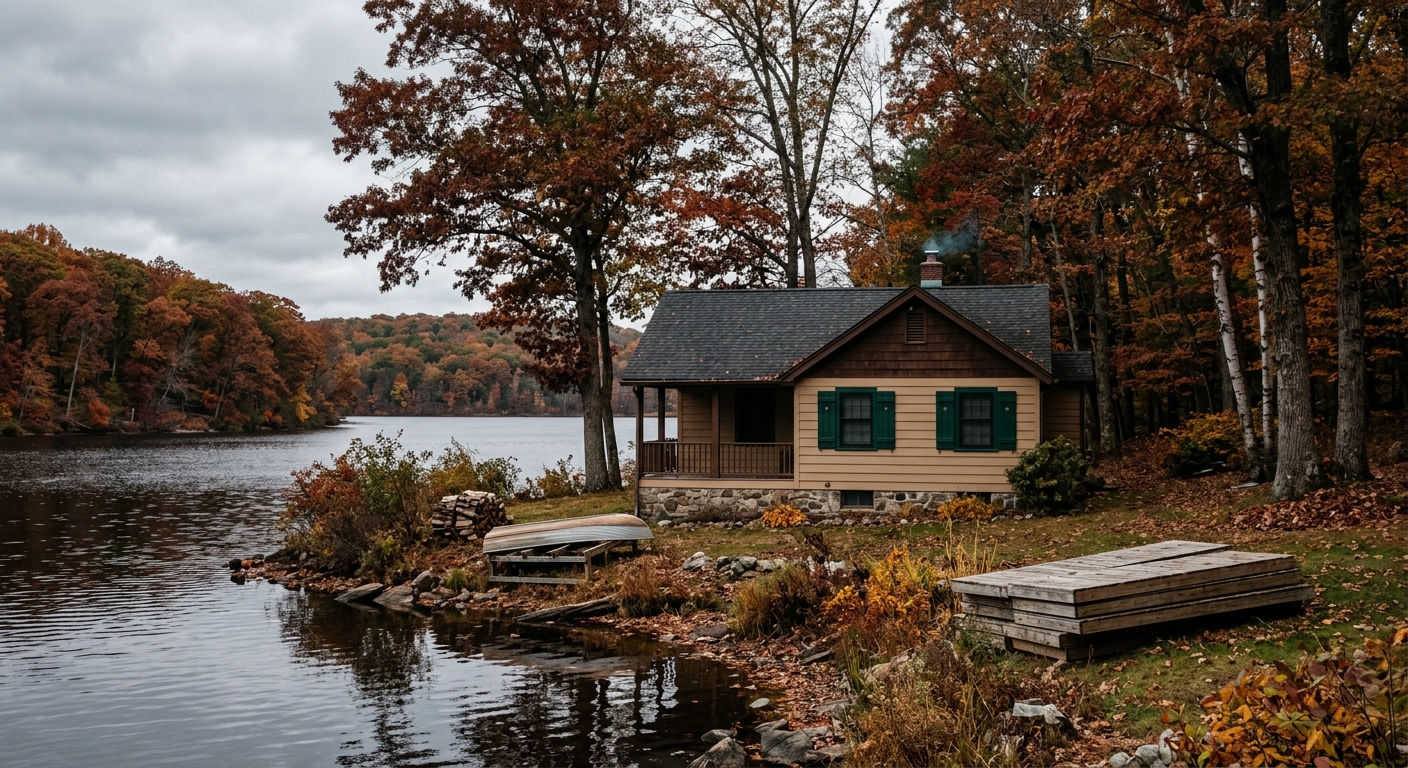
If I had a client calling me about a shoreline cottage or a place up near Litchfield right now, here's exactly what I'd tell them to do, in order. First, call your lender and get pre-approved specifically for a second-home purchase - don't assume your existing pre-approval transfers. Second, call your insurance agent before you're under contract and ask directly about vacancy coverage and, if it's coastal, flood insurance timing. Third, check your target town's short-term rental rules if rental income is part of your math at all. And last, leave yourself real cushion in the budget beyond the mortgage payment - a second home has its own set of surprises, same as any house does.
The property tax piece takes care of itself. It's identical to what you're already paying on your primary home, mill rate for mill rate. That's just how it works.
Frequently Asked Questions
Does Connecticut charge higher property taxes on a second home than a primary residence?
No. Connecticut calculates property tax the same way regardless of whether the home is your primary residence or a second home - mill rate times assessed value. The state doesn't offer a general homestead exemption, so there's no primary-residence discount to lose in the first place.
Is it harder to get approved for a mortgage on a second home in CT?
Lenders underwrite second-home loans differently than primary-residence loans, generally expecting more cash down and treating the file as a different risk category. Don't assume your existing pre-approval covers a second-home purchase - get pre-approved specifically for that property type.
Will my regular homeowner's insurance cover a lake house or shoreline cottage that sits empty part of the year?
Not always. Standard policies can have gaps around vacancy and seasonal use, which matters a lot for a property sitting unoccupied through a Connecticut winter. Talk to your insurance agent specifically about vacancy clauses before you close.
Can I rent out my CT second home as a short-term rental to help cover costs?
It depends entirely on the town - Connecticut leaves short-term rental rules to individual municipalities rather than setting one statewide policy. Check your target town's specific rules before you factor rental income into your budget.
Do I need flood insurance for a second home near the Connecticut shoreline?
If the property is in a flood zone, yes, and there are federal program deadlines that can affect your closing timeline. Get your insurance agent involved early in the process, especially for towns like Old Saybrook or Madison.