

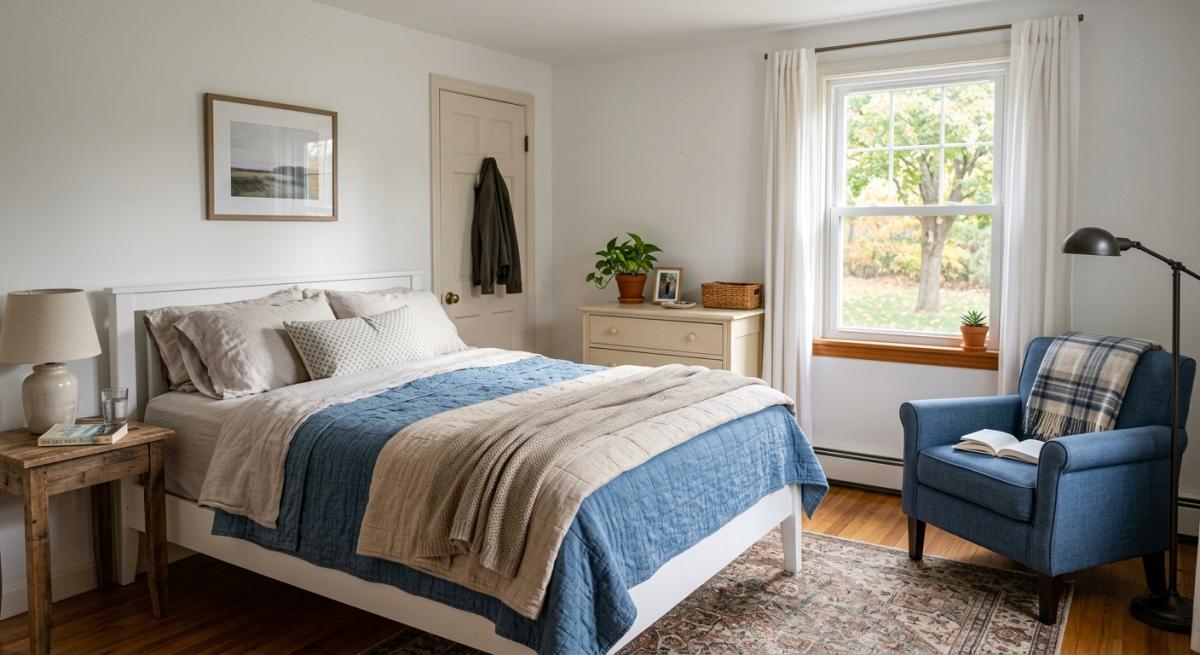
A homeowner called me about this and I had to double check the date
A client called me last week asking if she could legally rent out her spare bedroom to a long-term tenant without going to the Southington Planning and Zoning office first. She's retired, the house is paid off, and she's got two empty bedrooms since her kids moved out. Fixed income, rising taxes, rising everything. She wanted to know if she needed a permit.
Up until October 1, 2026, the honest answer in a lot of CT towns was: maybe, and good luck finding out quickly. Some towns required a special permit. Some wanted a variance. Some wanted a public hearing where your neighbors could show up and object to you having a roommate. I mean, think about that for a second. A grown adult needing their neighbors' blessing to rent out a bedroom in their own house.
That changed. Starting October 1, 2026, Connecticut zoning boards generally can't require an owner-occupant of a single-family home to get a special permit, variance, or public hearing before renting out up to three bedrooms, as long as the lease runs six months or longer. Lawmakers nicknamed it the Golden Girls bill, after the show about four women sharing a house. It's Senate Bill 339, and it's a real law now, not a proposal sitting in committee.
What this law actually removes
This law doesn't create new rights to rent your house. You already owned it. You could already have a roommate pay you rent. What this law removes is the zoning-approval hurdle a lot of towns had bolted onto that basic right.
Before October 1, in towns that required it, an owner wanting to rent a bedroom or two might have had to:
- Apply for a special permit through Planning and Zoning
- Request a variance if the use wasn't explicitly allowed
- Sit through a public hearing where neighbors could weigh in
- Wait weeks or months for a decision that might come back no
Now, for up to three bedrooms, on leases of six months or longer, that entire process is off the table. The town can't make you go through it. That's the whole change. It takes zoning out of the equation for this specific situation.
What it doesn't touch - and this is where people get confused
This law changes zoning approval. It does not touch building code, fire code, or landlord-tenant law. Those still apply in full, exactly like they did before October 1.
So if your house needs a certificate of occupancy update because you're adding a sleeping use, or if the fire code has something to say about egress from a bedroom, those requirements are still very much alive. The state didn't wave a wand over fire safety. It waived the zoning hearing.
And landlord-tenant law? Still applies. Once you take on a tenant, even a long-term roommate in a spare bedroom, you're a landlord under Connecticut law. Security deposit rules, eviction procedures, habitability standards, all of it still applies. This law didn't exempt you from being a landlord. It just removed one specific obstacle that used to sit in front of becoming one.
This is the most important distinction in the whole law, and it's the one people skip past because the headline is catchy.
This is not the ADU law, and the two get mixed up constantly
We've written before about Connecticut's ADU law and the 115 towns that opted out of it. People keep asking me if this bedroom rental law is the same thing. It's not. Not even close.
| Feature | ADU Law | Golden Girls Bedroom Law |
|---|---|---|
| What's being rented | A separate accessory unit with its own kitchen and bath | Existing bedrooms inside the primary home |
| New construction involved | Often yes - converting a garage, basement, or building new | No - using space that already exists |
| Town opt-out allowed | Yes, and 115 towns opted out | No opt-out provision |
| Lease term requirement | Varies by town | Six months or longer |
| Max units/bedrooms | Typically one accessory unit | Up to three bedrooms |
If your town opted out of the ADU law, that has zero bearing on this one. This new bedroom law applies regardless. There's no opt-out mechanism here. Southington, Berlin, Newington, it doesn't matter what your town decided about accessory dwelling units. This is a separate statute with its own rules.
The Airbnb loophole that isn't actually a loophole
People ask me if this means they can rent a bedroom on Airbnb without dealing with short-term rental rules. No. That's just not the smartest move, and it's also not what the law says.
The six-month-or-longer requirement is the whole point. Short-term and vacation rentals, anything under that threshold, are governed separately and this law doesn't touch them. If your town has short-term rental restrictions or registration requirements, those still apply in full. This law is specifically about long-term tenants, the kind who sign a lease, pay rent monthly, and live there. Think roommate, not weekend guest.
If you're trying to use this law to get around short-term rental zoning, it won't work. Different statute, different rules, and towns are not confused about the difference even if homeowners sometimes are. Same rules apply either way.
What to actually do before you rent a bedroom
Okay, so you've got a spare bedroom or two and you're thinking about this seriously. Here's what I'd tell my own clients, in order of what matters most.
- Confirm your certificate of occupancy. Check what sleeping uses your house is approved for. This is a quick call to your town's building department, not a zoning fight.
- Call your homeowner's insurance company. Adding a long-term tenant changes your risk profile. Some policies need an endorsement or a different policy type entirely. Don't skip this call. It's an easy thing to forget until something goes wrong.
- Get a written lease, not a handshake deal. Even with family, even with a friend. Six months or longer means you want clear terms: rent amount, due date, what happens if they want to leave early, who covers utilities.
- Understand you're now a landlord under CT law. Security deposit limits, notice requirements for entry, eviction procedures if it doesn't work out - all of it applies the same as if you owned a multi-family.
- Think about what you actually want out of this. Extra income on a fixed budget is different from house-hacking as an investment strategy. Both are valid. They call for different levels of formality.
Long story short: the zoning hurdle is gone, but everything else that makes you a responsible landlord is still your job.
What I'd actually tell a client right now
If you're an empty-nester in Southington, Berlin, Cheshire, Plainville, wherever, sitting on two unused bedrooms and wondering if extra income is worth the hassle, this law just removed the biggest hassle. The zoning fight that used to scare people off is gone. What's left is just good landlord practices: confirm your CO, call your insurance company, get a real lease signed, know the landlord-tenant rules.
But for small investors eyeing house-hacking, this is a real opening too. Buy a single-family, live in it, rent two or three bedrooms to long-term tenants, and your zoning board can't stand in the way anymore. That's a meaningfully lower barrier than it was a year ago.
What I wouldn't do is treat this as a free pass to skip the landlord fundamentals. The law removed a permit requirement. It didn't remove your responsibility to do this right. Get your paperwork in order and you're fine.
Frequently Asked Questions
Do I need a permit to rent a bedroom in my Connecticut home now?
As of October 1, 2026, no, not for zoning purposes, as long as you're an owner-occupant renting up to three bedrooms on a lease of six months or longer. You still need to meet building and fire code requirements.
Is this the same as Connecticut's ADU law?
No. The ADU law covers separate accessory units with their own kitchen and bath, and towns were allowed to opt out of it - 115 did. This bedroom rental law covers existing bedrooms inside the home and has no opt-out provision.
Can I use this law to rent a bedroom on Airbnb?
No. This law applies to leases of six months or longer. Short-term and vacation rentals are governed separately and still follow your town's existing short-term rental rules.
Does this law override my town's landlord-tenant requirements?
No. The law removes the zoning approval hurdle only. Standard Connecticut landlord-tenant law, including security deposit rules and eviction procedures, still applies in full once you take on a tenant.
What should I check before renting out a bedroom in my CT home?
Start with your certificate of occupancy to confirm approved sleeping uses, then call your homeowner's insurance company since adding a tenant can change your coverage needs. Get a written lease before anyone moves in.