

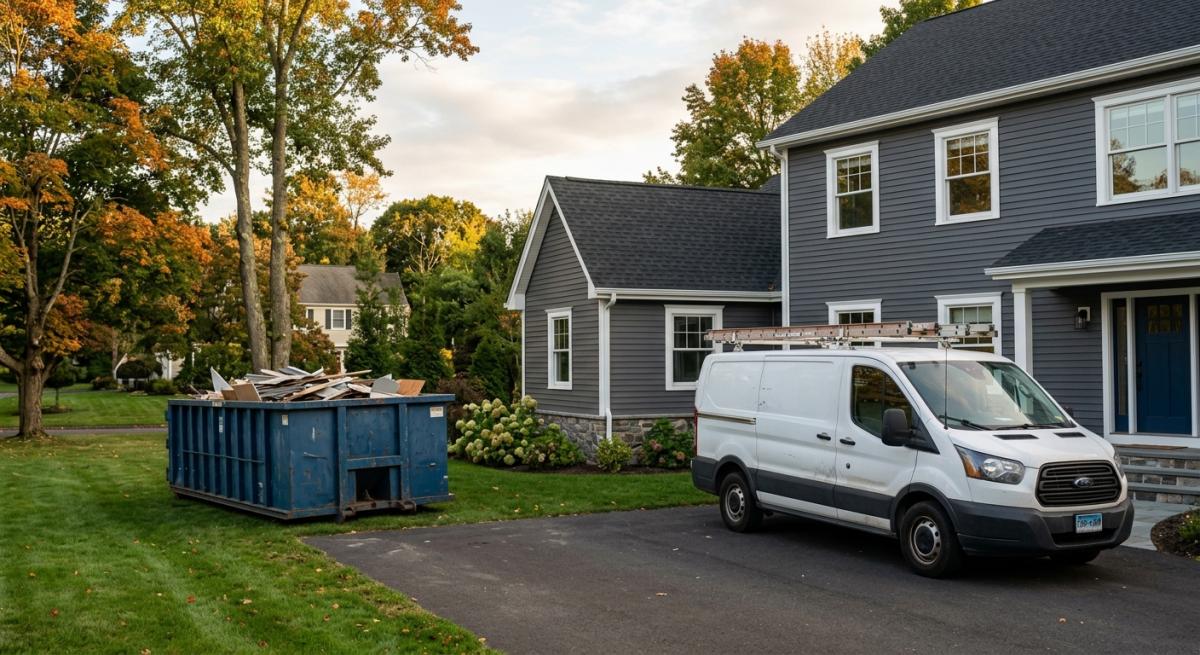
A renovation that finished months ago just stopped your closing
Here's a scenario I see more than people expect. A seller renovated the kitchen last spring. Paid the contractor, or thought they did. House goes under contract, everybody's happy, closing is two weeks out. Then the title search comes back and there's a lien on the property from a subcontractor who never got their final payment.
The seller is confused. They paid the general contractor in full. But the general contractor never paid the electrician, or the cabinet supplier, or the guy who did the tile. And in Connecticut, that subcontractor has the right to put a lien directly on the house - not on the contractor who stiffed them, on the house itself.
That's the part that catches people off guard. The lien doesn't care who you paid. It attaches to the property. I had a seller once who'd done everything right - paid every invoice, kept every receipt - and still ended up with a lien on title from a supplier three layers down the chain that they'd never even heard of. The attorney caught it on the search. It took weeks to untangle something that had nothing to do with anything the seller had actually done wrong.
How a mechanic's lien actually works in Connecticut
Connecticut gives contractors, subcontractors, and material suppliers a real statutory right to lien a property when they furnish labor or materials with the owner's consent and don't get paid. This isn't some workaround or loophole - it's built into state law under Conn. Gen. Stat. § 49-33, and it applies to any claim over $10, which is basically every job.
The key number to know is 90. A contractor has 90 days after they stop working on the job to record the lien certificate. If they miss that window, the lien isn't valid - period. But 90 days is a long time, long enough for a house to go under contract, get inspected, get appraised, and head toward closing before anyone realizes a lien is coming.
Once recorded, the lien has to be served on the property owner within 30 days of filing. And once it's on the land records, it generally stays valid for a full year unless the contractor files a foreclosure action to enforce it. That's a long shadow for one unpaid invoice to cast over a sale.
Why this follows the house, not the person who hired the contractor
I think this is the single most misunderstood part of the whole thing. People assume a lien is a problem between the homeowner and the contractor - a personal debt. It's not. It's a claim against the real estate. That means if you sell the house to someone else, the lien doesn't disappear. It rides along with the property through the sale.
Let me put it this way: the new owner didn't hire that contractor, didn't sign that contract, and has no idea the work even happened. Doesn't matter. The lien is recorded against the parcel. So the buyer's title search catches it, and now it's everyone's problem - buyer, seller, both attorneys, and whoever's lender is trying to fund the loan.
This is exactly why title searches exist. Every closing in Connecticut runs a title search specifically to catch things like this - old liens, unresolved judgments, anything recorded against the property that would make the title something less than clean. A mechanic's lien is one of the more common surprises that shows up.
What a cloud on title actually does to your closing timeline
A recorded lien creates what's called a cloud on title. Basically, it means the title isn't clean, and a lender won't fund a mortgage against a property with a cloud on it. No clean title, no closing. The deal doesn't collapse automatically, but it stalls - and stalled deals are where things fall apart.
Buyers get nervous when their closing date moves. Sellers scramble to track down a contractor who may not even return calls anymore. Attorneys start negotiating lien releases, partial payoffs, or escrow holdbacks to get the deal across the finish line. It can take weeks to untangle something that was, honestly, completely avoidable.
- Lender won't fund until the lien is released or bonded off
- Closing attorney has to negotiate directly with the lienholder
- Buyer's financing contingency clock keeps ticking the whole time
- Seller may need to escrow funds at closing to cover a disputed amount
Some deals survive this. Some don't - a buyer who gets spooked by a delay in a town like Southington or Berlin, where well-priced houses go under contract in days, has every incentive to walk and go find something else rather than wait around on a lien dispute. So speed matters here.
What sellers should actually do before listing
So if you've done any renovation work in the last several months - kitchen, bathroom, roof, addition, doesn't matter what it was - this needs to be on your radar before you list, not after you get an offer. Basically, you want to clear this up before a buyer's attorney finds it for you.
- Get lien waivers or releases, in writing, from every contractor and major subcontractor you paid in the last 90-120 days
- Keep every invoice and proof of payment - bank transfers, checks, receipts, all of it
- Ask your general contractor directly whether all subs and suppliers on the job have been paid in full
- Loop in your closing attorney early, before listing, not after the title search flags something
- If a dispute exists with a contractor, resolve it or at least document it before you're under contract
That last point matters more than people think. Your closing attorney can get involved weeks before there's even an accepted offer, and it costs you nothing to ask. Have them review the situation if you've had major work done recently. It's a lot easier to fix a payment gap in January than to discover it in March when you're supposed to close in nine days.
This isn't rare, and it isn't going away
I want to be clear about something: this isn't a scare story about some rare edge case. Renovation activity has been high across Central Connecticut for years - Southington, Berlin, Newington, Cromwell, people fixing up houses to either sell or just make them livable long-term. Anywhere renovation happens, this risk exists. It's a routine closing issue, not a horror story.
And it's an easy one to prevent. The contractors doing good, honest work and getting paid on time are not the problem. The problem is layers - general contractor hires subs, subs order materials from suppliers. If money doesn't flow all the way down that chain, somebody at the bottom has 90 days and a legal right to put a claim on your house regardless of what you personally paid. That's the whole mechanism.
What I'd actually tell you to do
If you're selling and you've had any work done on the house recently, call your attorney before you call a photographer for listing photos. Ask for lien waivers from everyone who touched the job, not just the general contractor you wrote the check to. Keep your payment records organized, because a title search doesn't care about your intentions, it cares about what's recorded.
If you're buying a house that's had recent renovation work, ask your agent or attorney to flag it during the title search process and don't assume a signed purchase agreement protects you from something recorded against the land. That's just not how it works in Connecticut. A signed contract is not the same thing as clean title - don't confuse the two.
Frequently Asked Questions
Can a contractor put a lien on my house if I already paid the general contractor in full?
Yes. If the general contractor didn't pay a subcontractor or supplier, that unpaid party can still lien the property directly under Connecticut law. Your payment to the GC doesn't protect the title unless you also secured lien waivers from everyone further down the chain.
How long does a contractor have to file a mechanic's lien in Connecticut?
90 days from the date they stop furnishing labor or materials on the job. After recording, they have 30 days to formally serve the owner with a copy of the certificate.
Does selling my house get rid of an existing mechanic's lien?
No. The lien attaches to the property itself, not to you personally, so it transfers with the house through a sale. It has to be released, paid off, or otherwise resolved before a lender will fund the new buyer's mortgage.
How long does a mechanic's lien stay on a Connecticut property?
Generally one year from recording, unless the contractor files a foreclosure action to enforce it, which can extend the claim further. This is why old renovation work can still surface as a problem well after the fact.
What should I ask my contractor for after a renovation to protect a future sale?
Ask for a signed lien waiver or release once final payment is made, and keep it with your invoices and proof of payment. Confirm with the general contractor that all subcontractors and suppliers on the job have been paid in full, not just them.